Good lawn maintenance in Michigan is less about luck and more about timing. Because our state swings from cold winters to humid summers, a simple seasonal plan keeps grass strong, green, and more resistant to pests and disease. Follow these practical steps and your yard will reward you every spring and summer.
Why lawn maintenance Michigan matters
First, Michigan soil and weather create unique challenges. Clay soils compact easily and lake-effect humidity raises disease risk. Therefore, routine care tailored to local conditions prevents small problems from becoming big ones. In short, smart maintenance saves time and money.
Seasonal lawn maintenance checklist for Michigan
Spring
Start by cleaning debris and waiting until the soil dries enough to walk on. Next, mow at a higher setting to reduce shock, and then apply an early slow-release fertilizer. Also, repair bare spots with overseeding once temperatures are steady.
Early summer
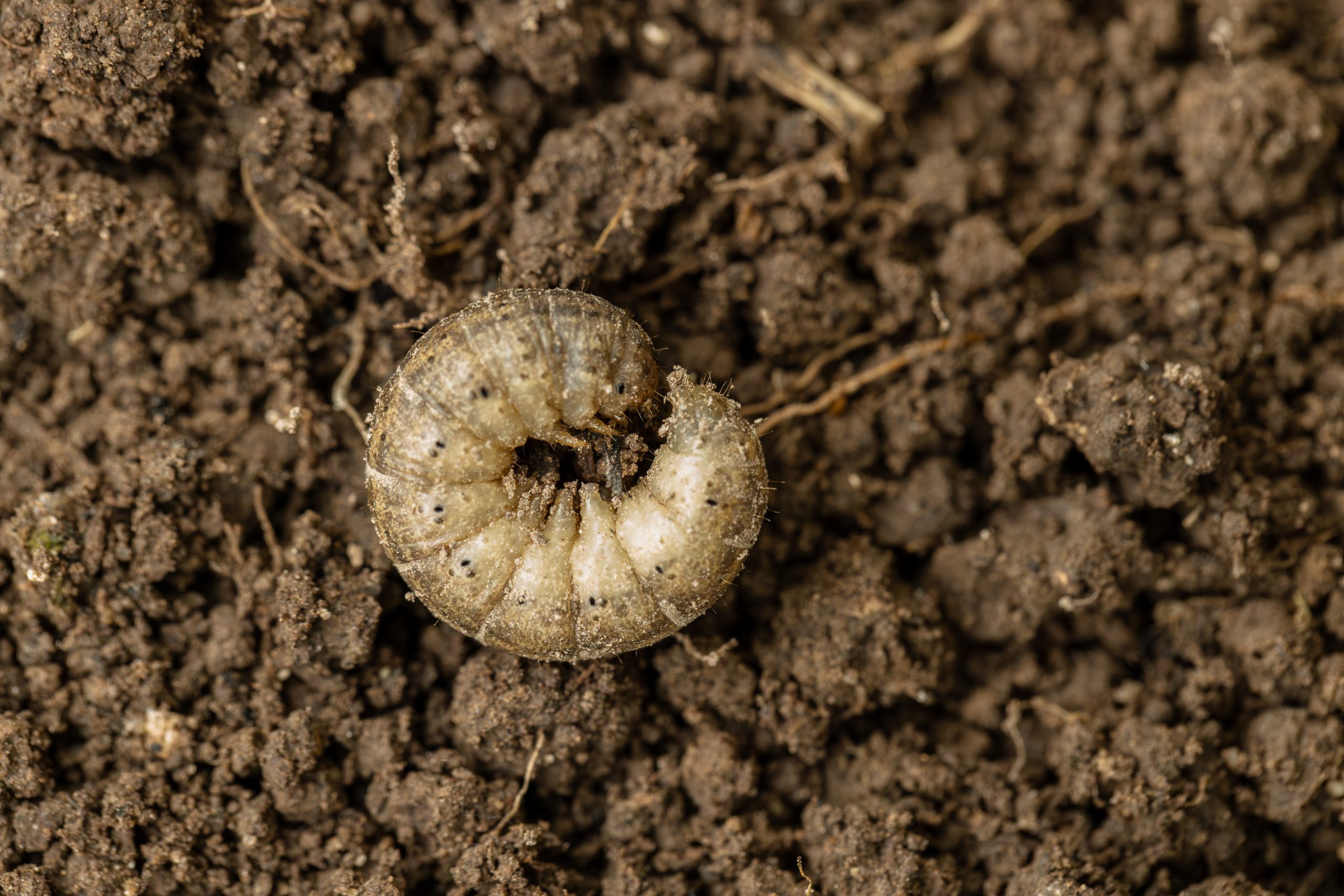
Water deeply but less often, so roots grow deeper. Moreover, raise mower height during heat waves and check for grubs or pest damage. If you see thin patches, plan aeration in early fall.
Mid to late summer
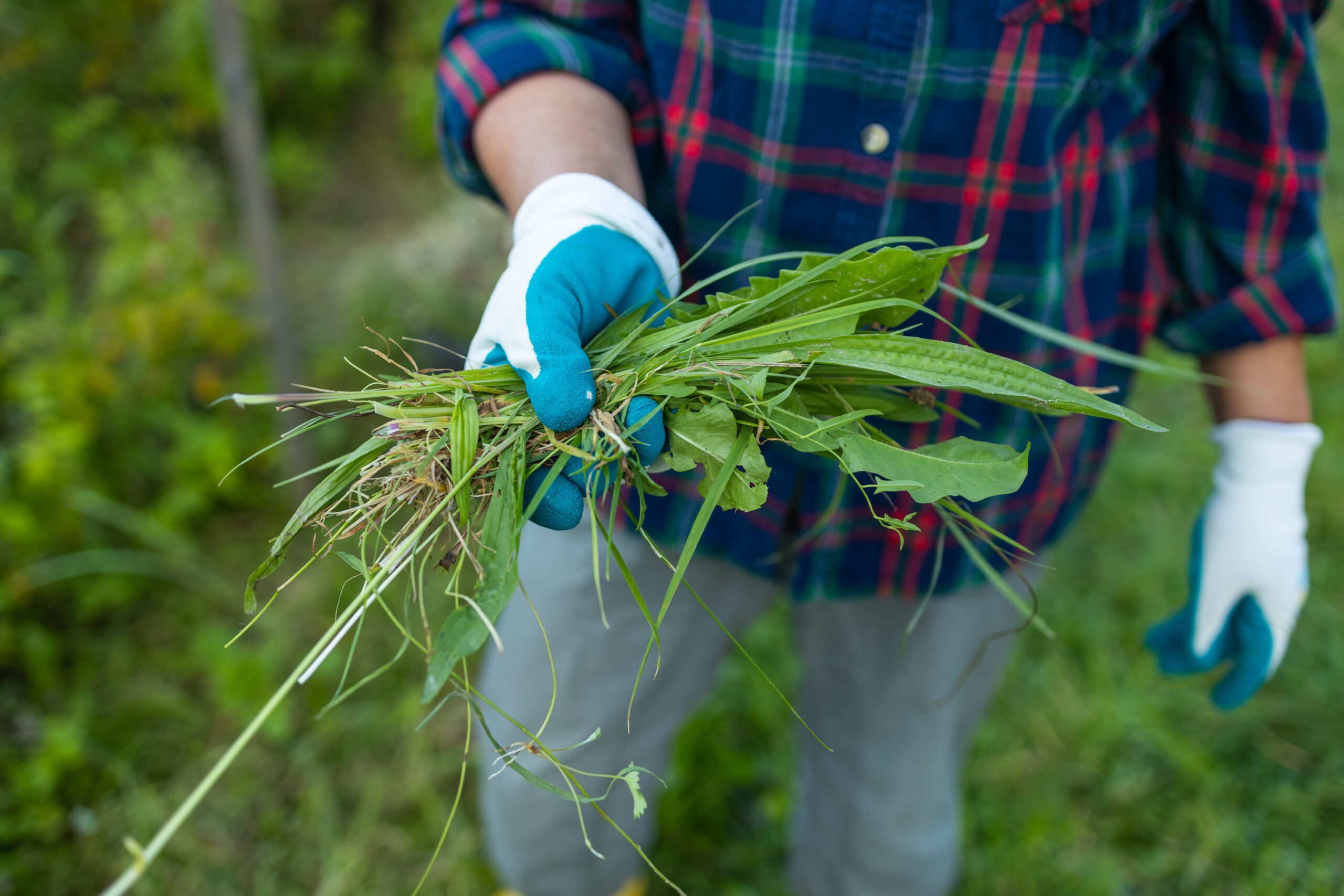
Avoid heavy fertilizing in the heat. Instead, focus on consistent watering and weed spot treatments. In addition, remove excess thatch if blades become clogged.
Early fall
This is the most important season in Michigan. Aerate compacted soil, overseed thin areas, and apply a fall fertilizer that promotes root growth. As a result, your lawn recovers stronger after winter.
Late fall/winter prep
Rake leaves, reduce foot traffic on wet or frozen turf, and avoid piling snow near sensitive areas. Finally, schedule any major repairs for spring.
Key steps everyone should follow
- Mow at the right height. For cool-season grasses, keep blades around three to four inches. This shades the soil and crowds out weeds.
- Water correctly. Water early, deeply, and infrequently. Aim for about one inch per week total, adjusted for rainfall.
- Aerate and overseed. Do this in early fall for best germination in Michigan’s cool conditions.
- Follow a seasonal fertilization plan. Use slow-release formulas and avoid heavy spring feeding during heat.
- Monitor for pests. Check for grubs, scale, and signs of fungal disease; treat early when needed.
- Improve soil health. Add organic matter or compost where soil is poor so roots can grow stronger.
When to call a pro
If you face recurring brown patches, spreading disease, or heavy grub damage, a professional diagnosis helps. Local experts know Michigan timing and product choices, and they can tailor a program that matches your yard.
Small habits that make a big difference
Also, simple routines like cleaning mower blades, sharpening cutting edges, and following one-third mowing rule prevent stress. In addition, leave grass clippings to recycle nutrients where appropriate. Over time, these small habits lead to thicker, healthier turf.
Read more about specific timing and fertilization in LawnTech’s Learning Center guide on lawn fertilization.
For regional best practices and research, see Michigan State University Extension’s lawn care resources.