Weeds are frustrating, but they do not have to win. In Michigan, changing seasons, compacted soil, and cool-season turf can give weeds the upper hand. However, with the right timing and a clear plan, you can control weeds and keep a thick, healthy lawn. This guide explains how to handle common weeds in Michigan and gives simple, local steps that work.
Why weed control matters in Michigan
Michigan lawns face unique challenges. For example, cool springs and humid summers favor crabgrass and broadleaf weeds. Also, clay soils and thin turf allow weeds to establish quickly. Therefore, good weed control Michigan practices focus on prevention first and treatment second.
Common weeds you’ll see in Michigan
- Crabgrass — shows up in late spring and summer.
- Dandelions — perennial broadleaf weeds that return each year.
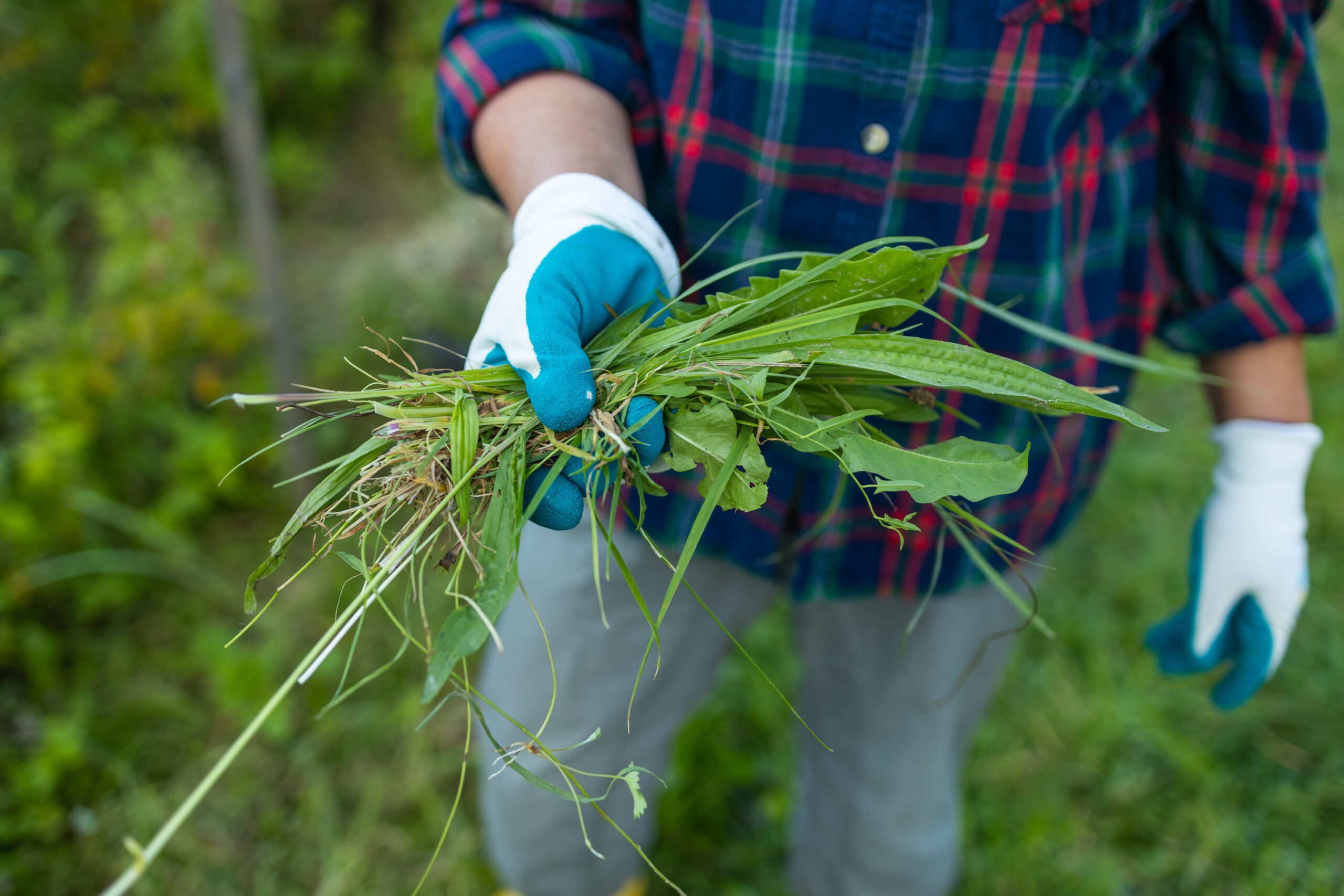
- Chickweed and plantain — common in compacted or shady spots.
- Clover — can indicate low soil nitrogen.
Knowing which weeds you have helps determine the best response. For instance, preemergent herbicides stop crabgrass before it starts. Conversely, postemergent sprays treat visible broadleaf weeds.
Practical pre-emptive steps
First, start with your mower. Mowing high shades the soil and reduces weed seeds from sprouting. Next, keep grass healthy through proper watering and fertilization. As a result, turf crowds out many weed seedlings. Then, apply a preemergent in early spring to help prevent crabgrass is a problem. Finally, patch thin areas with overseeding in the fall so weeds cannot fill the gaps.
Spot treatment and when to use it
If weeds appear despite prevention, handle them quickly. Pull small patches by hand when the soil is moist. For larger infestations, use targeted post-emergent herbicides labeled for your turf type. Moreover, always follow the product directions and avoid spraying on windy days. In addition, treat stubborn broadleaf weeds during cooler weather in spring or fall for best results.
Organic and chemical options — what works locally
You can choose an organic route or a conventional one. Organic methods like corn gluten meal can reduce weed seed germination but act slowly. On the other hand, selective herbicides give faster control for specific weeds. Many Michigan homeowners combine both approaches: prevention and cultural care plus spot treatment when needed.
Timing is everything
Apply a pre-emergents before soil temperatures reach about 55°F for several days. Also, schedule post emergent treatments when weeds are actively growing, not stressed by heat. Similarly, plan overseeding for early fall to give grass a head start before winter. Because timing affects success, follow a seasonal calendar tailored to Michigan weather.
Preventing reoccurrence
To keep weeds from returning, improve soil health over time. Aerate compacted spots, add organic matter where needed, and maintain a balanced fertilization plan. Furthermore, address drainage problems and reduce shaded, damp areas where moss and chickweed like to grow. Consequently, your lawn becomes less hospitable to weeds.
When to call a pro
If weeds spread fast, or if you suspect a severe weed seed bank in the soil, consult a local lawn care service. Professionals can test soil, recommend the right herbicide program, and time treatments for Michigan conditions. In many cases, a targeted plan saves time and reduces repeated applications.
Read more on seasonal care and overseeding in LawnTech’s Learning Center to support your weed control Michigan plan.
For research and regional best practices, see Michigan State University Extension’s lawn weed guides.