If you keep asking yourself why is my lawn thin, you’re not alone. Many Michigan homeowners face thin, weak, or patchy lawns throughout the year. Because our state deals with cold winters, humid summers, clay-heavy soil, and fast weather shifts, lawns lose density more easily here. Once you understand the cause, recovering a full and healthy lawn becomes much easier.
Common Reasons Why My Lawn Is Thin in Michigan
1. Michigan Soil Compaction
Much of Michigan has compacted or clay-based soil. When soil becomes too tight, air and nutrients cannot reach the roots. As a result, grass becomes weak, and you may wonder why is my lawn thin even with regular care.
Quick fix:
Aerate during fall, then overseed to boost growth.
2. Shade Stress
Michigan neighborhoods often have mature trees. While beautiful, heavy shade prevents sunlight from reaching grass. Without steady light, your lawn loses density and looks thin.
Quick fix:
Trim low branches and use shade-tolerant grass seed in darker areas.
3. Heat and Drought Stress
In summer, sudden heat spikes are common. When the soil dries too quickly, grass becomes stressed, especially cool-season grasses like Kentucky Bluegrass and Ryegrass.
Quick fix:
Water late in the morning and avoid evening watering to reduce disease.
4. Lawn Diseases
Humidity encourages diseases like Red Thread, Dollar Spot, and Leaf Spot. These diseases weaken the blades and roots, which makes the lawn look thin.
Quick fix:
Improve airflow by mowing regularly, bag clippings when needed, and fertilize on schedule.
5. Grub Damage
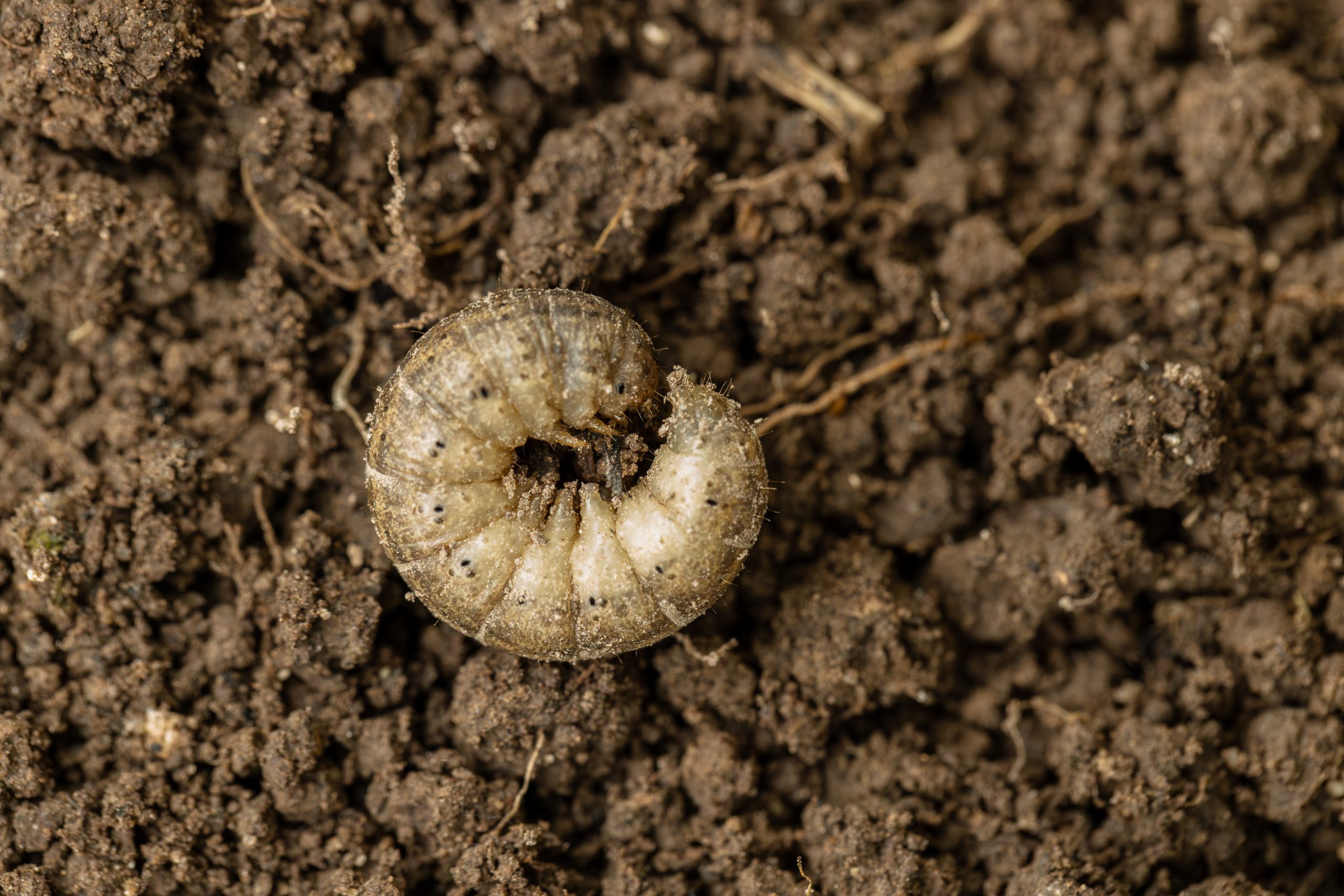
Grubs feed on roots. When roots become shallow or damaged, the lawn becomes thin and spongy. This is one of the most common reasons people ask why is my lawn thin in Michigan.
Quick fix:
Check soil for white C-shaped grubs. If several appear, it needs treatment.
6. Improper Mowing Height
Cutting grass too short weakens the plant. Michigan lawns perform best when kept at a slightly higher mowing height, especially in summer.
Quick fix:
Keep the mower between three and four inches.
7. Poor Fertilization Routine
Cool-season lawns require balanced fertilization. Without the right nutrients, the lawn grows unevenly and becomes thin.
Quick fix:
Use a seasonal fertilization plan with slow-release nutrients.
8. Old or Worn-Out Grass
If a lawn is old or never overseeded, density naturally declines. Michigan lawns stay thick when overseeded at least once a year.
Quick fix:
Overseed in fall for the best results.
How to Make a Thin Lawn Thick Again
To solve why is my lawn thin, start with a simple routine:
Water early, mow high, overseed yearly, improve soil health, and follow a good fertilization schedule. With steady care, Michigan lawns bounce back quickly.
You can find more lawn tips inside the Learning Center on LawnTech’s website, especially their guide on lawn fertilization.
Michigan State University Extension also shares helpful advice on improving lawn density throughout the year.