Key Takeaways
- Effective grub control for healthy lawns
- Timing is essential: treat young grubs in late summer to early fall for best results.
- Choose the right product based on whether you need preventive or curative control.
- Healthy lawn practices and monitoring reduce chemical use and support long-term turf health.
What Are Grubs and Why They Matter
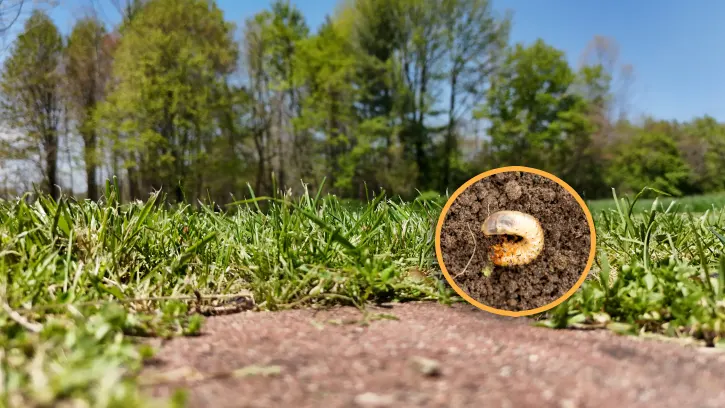
Grubs are the larvae of beetles like Japanese beetles, June beetles, and European chafers. They feed on grass roots, which can lead to:
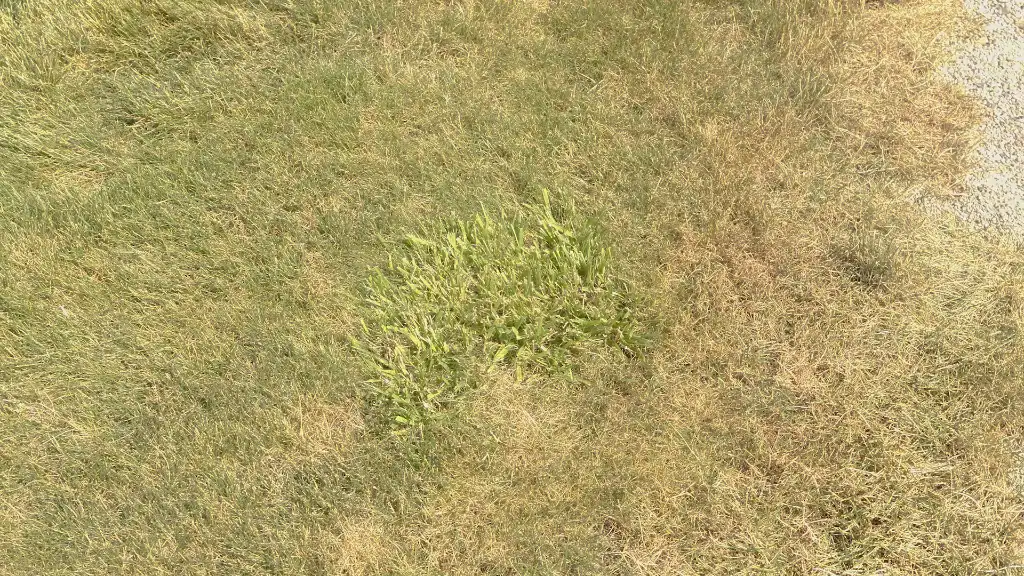
- Brown patches
- Weak or spongy turf
- Increased vulnerability to drought and other pests
A well-maintained lawn is naturally more resistant, but significant grub populations require targeted control.
When Should You Apply Grub Control Products?
Effective grub control depends on timing.
- Best window: Late summer to early fall, when grubs are small and feeding near the soil surface.
- Underground traps only — safe for kids and pets, nothing to mow around
Tip: Look for lawn symptoms like spongy patches or birds digging, and consider soil sampling to confirm grub presence before treatment.
How to Choose the Right Grub Control Product
Products fall into two main categories:
- Preventive treatments: target young grubs before they damage your lawn.
- Curative treatments: tackle established infestations.
Selection considerations:
- Time of year
- Infestation severity
- Environmental impact and safety
Always follow label instructions carefully, including water application and timing. Overuse can harm beneficial insects.
Integrating Grub Control into Lawn Care
Chemical treatments are most effective when combined with cultural practices:
- Regular mowing, watering, and fertilization to strengthen turf
- Encourage natural predators like birds or beneficial nematodes
- Rotate treatment areas to reduce chemical dependence
Frequently Asked Questions
How do I know if my lawn has grubs?
Check for:
- Brown or thinning patches of grass
- Spongy turf that lifts easily
- Birds or animals digging in the lawn
A soil sample can confirm the presence and density of grubs.
Can I rely on natural methods alone?
Some homeowners use nematodes or attract predators. These can help manage populations but may not fully protect heavily infested lawns. Combining natural and chemical approaches is most effective.
How often should I monitor after treatment?
Check your lawn within a few weeks of treatment for ongoing signs of grub activity. Repeat applications should only occur if grubs remain a problem.
Final Thoughts
Effective grub control balances timing, product choice, and lawn health practices. Preventive measures paired with proper monitoring reduce the need for repeated chemical applications and keep your lawn lush and resilient.
For detailed guidance on timing and product options, refer to the Michigan State University guide on grub control.