If you’re seeing Japanese beetles after grub control, you may be wondering, “Didn’t the treatment get rid of them?” Not necessarily.
The reason is simple: grub control and adult Japanese beetle control target different stages of the Japanese beetle life cycle.
A preventative grub treatment is designed to help control grubs living in the soil and feeding on grass roots. The adult beetles you see flying around your yard and eating your plants are above ground and require a different approach.
Grub Control Doesn’t Target Adult Japanese Beetles
Japanese beetles go through several stages during their life cycle. The grubs live underground, while adult beetles emerge and feed on plants.
That’s why you can have effective grub control in your lawn and still see adult Japanese beetles on your landscape.
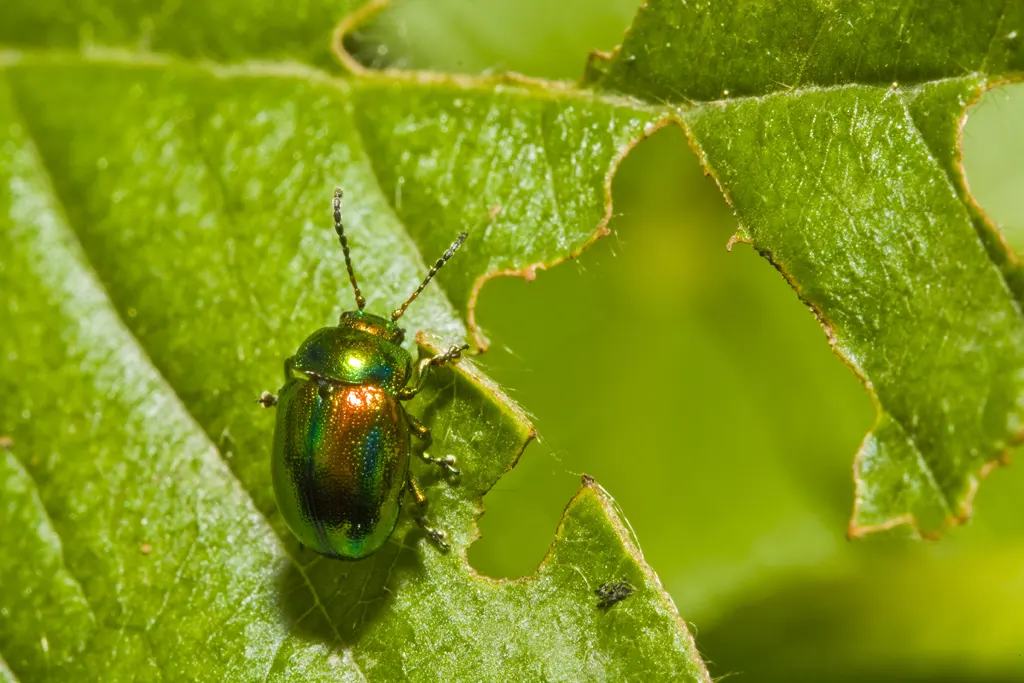
Adult Japanese beetles commonly feed on:
- Roses
- Trees
- Shrubs
- Ornamental plants
- Other landscape plants
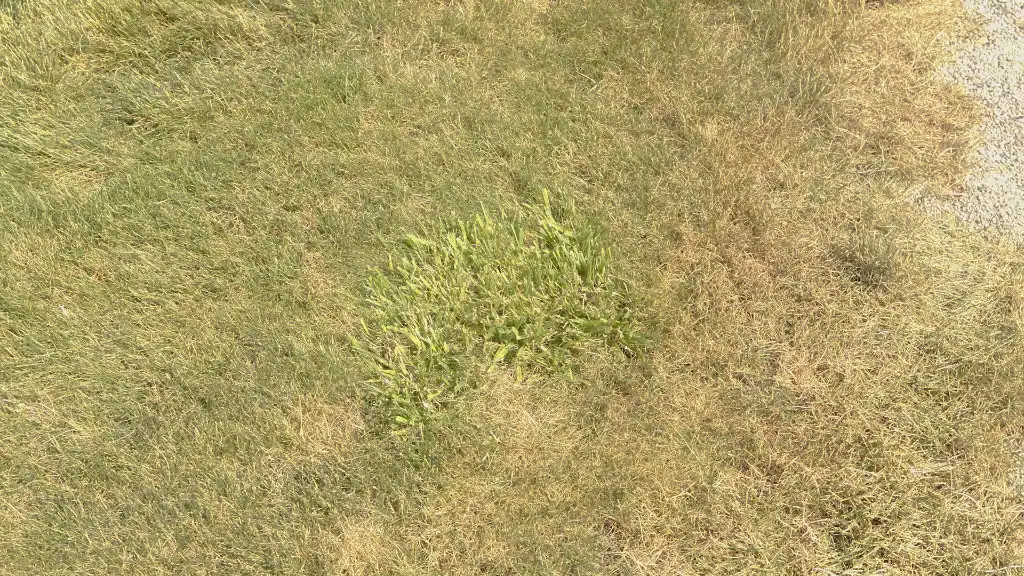
The grubs, meanwhile, feed on grass roots beneath the surface. Heavy grub activity can contribute to thinning turf, brown patches, and other lawn damage. So if your main concern is beetles eating your plants, a lawn grub treatment isn’t necessarily designed to solve that problem.
Why Are Japanese Beetles Still Eating My Plants?
If you’re seeing Japanese beetles after grub control, the adult beetles may simply be at a different stage of their life cycle.
Think of the two treatments this way:
Grub control helps protect your lawn.
Adult Japanese beetle control helps protect your landscape.
A preventative grub treatment targets the larval stage underground. Once Japanese beetles emerge as adults and begin feeding on your plants, they may require a separate landscape treatment.
Does Seeing Japanese Beetles Mean My Grub Treatment Failed?
No. The presence of adult Japanese beetles does not automatically mean your grub control failed. Preventative grub control is intended to address grubs in the soil. Adult Japanese beetles that emerge later are a separate stage of the pest’s life cycle.
In other words, you’re dealing with two related but different problems:
Grubs: Underground and feeding on grass roots.
Adult beetles: Above ground and feeding on trees, shrubs, roses, and other plants.
This is why Japanese beetle control often requires looking at both the lawn and the landscape.
How the Japanese Beetle Life Cycle Affects Control
Understanding the Japanese beetle life cycle helps explain why these pests can seem to come back every summer. Adult beetles lay eggs in soil. Those eggs develop into grubs, which feed on grass roots. Eventually, the grubs develop into adult beetles that emerge and begin feeding on plants.
Because the beetles move through different life stages, one treatment isn’t necessarily designed to control every stage at the same time.
Preventative grub treatments are intended to help manage the grub stage in the soil. When adult beetles are actively feeding on your landscape, a treatment specifically targeting the adult stage may be appropriate.
What Should You Do About Adult Japanese Beetles?
If adult Japanese beetles are covering your roses, shrubs, or trees, don’t assume you need more grub control. Instead, your landscape may need a Japanese beetle treatment designed for adult beetles. A professional lawn and pest-care program can help determine what you’re dealing with and recommend the appropriate treatment for your property.
At Lawn Tech, preventative grub control is one part of a broader seasonal lawn and pest-management program. When adult Japanese beetles become a problem, additional landscape pest control may be needed to protect your plants.
Japanese Beetle Control Starts With Knowing What You’re Treating
Seeing Japanese beetles after grub control can be frustrating, but it doesn’t necessarily mean your treatment didn’t work. It may simply mean you’re seeing a different stage of the Japanese beetle life cycle.
Remember:
- Grub control targets grubs living in the soil.
- Adult Japanese beetle treatments target beetles feeding on plants.
- Lawn and landscape treatments may both be needed as part of an overall pest-management strategy.
If Japanese beetles are damaging your roses, shrubs, trees, or other landscape plants, Lawn Tech can help identify the problem and recommend the right treatment.
Don’t let Japanese beetles take over your landscape. Contact Lawn Tech to learn more about Japanese beetle control and seasonal pest-management options.
Key Takeaways
- Seeing adult beetles on your plants does not necessarily mean a preventative lawn treatment failed.
- Preventative grub control targets young beetles living underground and feeding on grass roots.
- Adult beetles live above ground and can feed on roses, trees, shrubs, and other ornamental plants.
- Grub control and treatments for adult beetles address different stages of the pest’s life cycle.
- Landscape plants may require a separate treatment when adult beetles are actively feeding.
- Managing both the lawn and landscape can be an important part of an overall pest-management strategy.