Key Takeaways
- Taller grass can support deeper roots, provide more shade for the soil, and help reduce moisture loss.
- Japanese beetles can damage trees, shrubs, roses, and ornamental plants, while their offspring become grubs that can feed on grass roots.
- Adult Japanese beetle treatments and preventative grub control address different stages of the pest’s life cycle.
- A brown lawn during summer heat isn’t necessarily dead; grass may enter dormancy to conserve moisture and energy.
- Brown grass can also be caused by disease, insects, heat stress, lack of moisture, or other environmental conditions, so identifying the cause is important.
Michigan summers can be hard on your lawn. Keeping grass around 3½ to 4 inches during hot weather can help protect your lawn from heat and drought stress.
The good news is that a few adjustments to your summer lawn-care routine can help your turf better handle heat and dry conditions. From mowing at the right height to watching for insects and understanding why your lawn may turn brown, here are three summer lawn-care tips from Lawn Tech.
1. Mow Your Michigan Lawn Higher During Summer Heat
One of the simplest ways to help your lawn handle hot weather is to raise your mowing height.
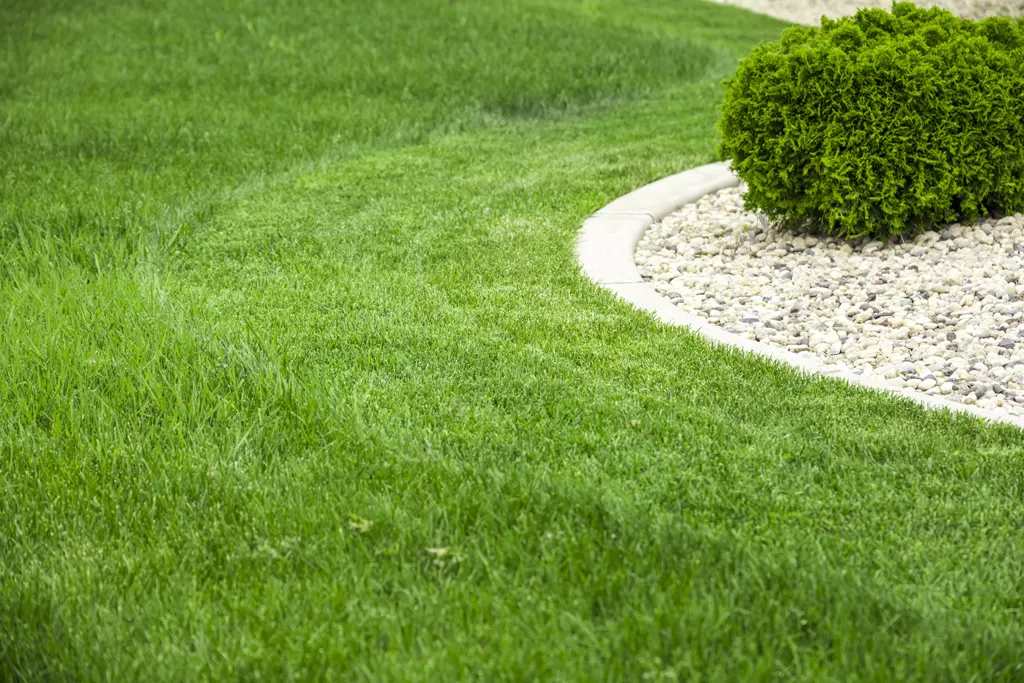
For most Michigan lawns, keeping grass around 3½ to 4 inches during periods of summer heat can help protect the turf from heat and drought stress.
Why Is Taller Grass Better in Hot Weather?
Allowing your grass to grow taller can provide several benefits during summer.
Taller grass generally supports deeper, healthier root growth. A larger root system can give turf a better ability to access available moisture and tolerate periods of heat and drought. Longer grass blades can also provide more shade for the soil. This can help reduce moisture loss and keep the soil around the roots cooler.
Avoid cutting off too much of the grass blade at once, especially when your lawn is already experiencing heat or drought stress.
Avoid Mowing During the Hottest Part of the Day
Mowing height isn’t the only consideration during hot weather. When you mow can matter, too.
Whenever possible, mow during a cooler part of the day rather than during the hottest afternoon temperatures. On heat-stressed or dry lawns, hot mower tires can contribute to visible tire tracks and additional turf stress. Mowing when temperatures are more moderate can help reduce unnecessary stress on your lawn.
2. Watch for Summer Lawn Insects
Summer heat also brings increased insect activity. Keeping an eye on your lawn, trees, shrubs, and ornamental plants can help you identify potential pest problems before they become more serious.
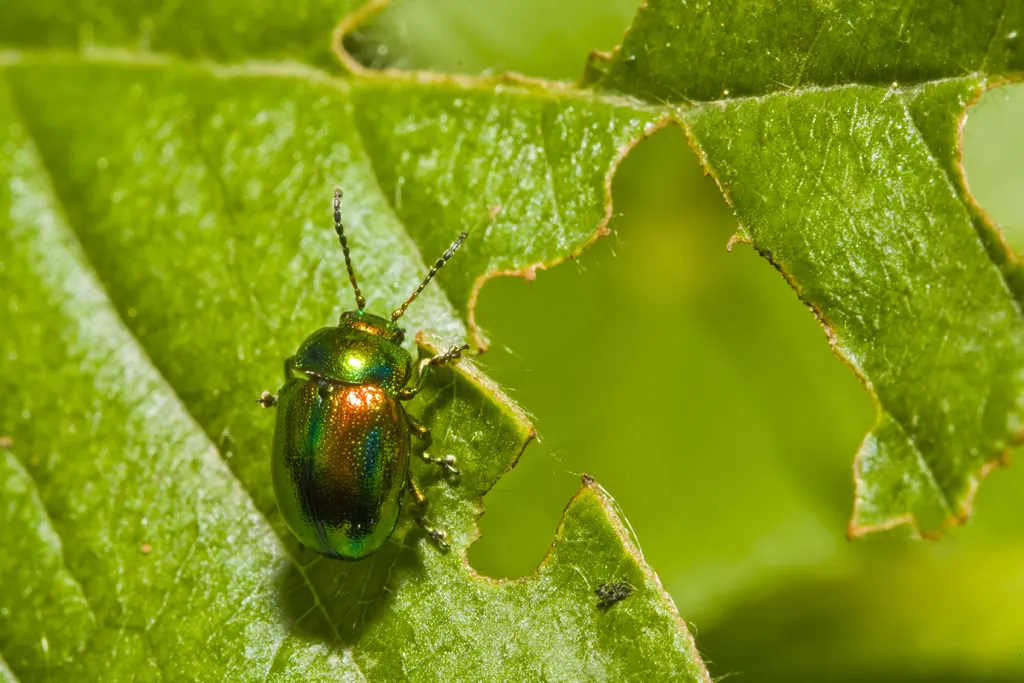
One pest Lawn Tech monitors closely during the summer is the Japanese beetle. Adult Japanese beetles can feed heavily on roses, ornamental plants, trees, and shrubs. They are also part of the life cycle that leads to grubs in your lawn.
Understanding the Japanese Beetle Life Cycle
Adult Japanese beetles feed above ground and eventually lay eggs in the soil. Those eggs develop into grubs, which can feed on grass roots beneath the surface.
This means there are two different stages of the pest that homeowners may need to consider:
- Adult Japanese beetles: Feed on trees, shrubs, roses, and other ornamental plants.
- Grubs: Live beneath the soil and can feed on grass roots.
Because these are different life stages, adult Japanese beetle treatments and preventative grub control are separate treatments designed to address different problems.
Protect Your Trees and Shrubs From Japanese Beetles
If Japanese beetles are damaging your landscape plants, Lawn Tech’s tree and shrub services can help manage adult beetle activity. Treatments can target areas where adult beetles are actively feeding, helping protect valuable trees, shrubs, roses, and ornamental plants. At the same time, preventative grub treatments can help protect your lawn from the next generation of grubs.
Taking a proactive approach to both stages of the pest’s life cycle can help reduce the potential for damage throughout your property.
3. Don’t Assume a Brown Lawn Is Dead
One of the most common summer lawn concerns is brown grass.
When temperatures rise and rainfall becomes limited, it’s natural to worry that your lawn is dying. However, brown grass doesn’t always mean dead grass.
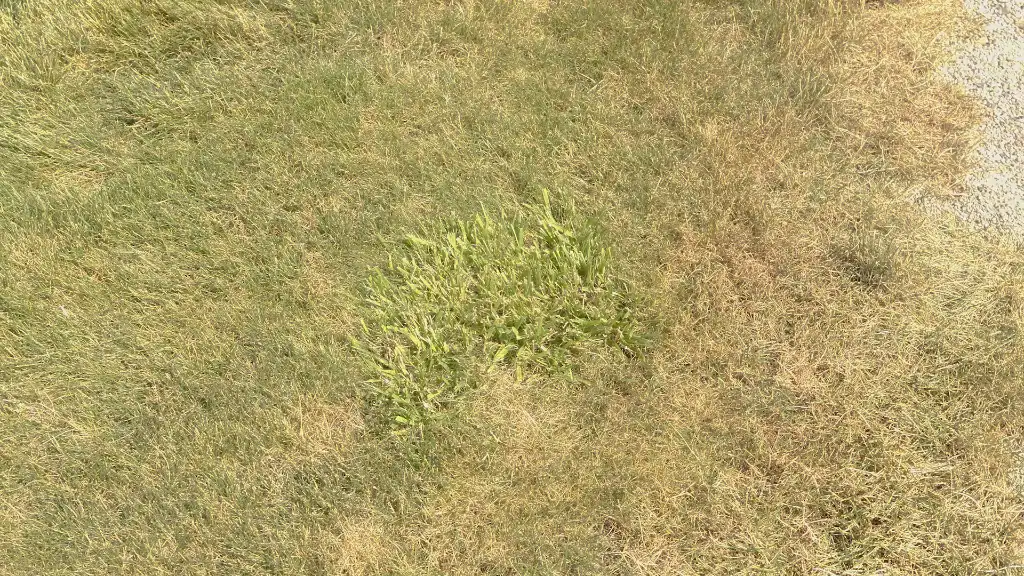
Non-irrigated lawns can enter dormancy during periods of heat and drought. Dormancy is a natural survival mechanism that allows grass to conserve moisture and energy until more favorable growing conditions return. When temperatures moderate and adequate moisture becomes available, dormant grass may begin to green up again.
Is Your Lawn Dormant, Diseased, or Stressed?
Although summer dormancy is common, it’s not the only reason a lawn may turn brown.
Discoloration can also be caused by:
- Lack of rainfall or irrigation
- Summer dormancy
- Lawn disease
- Insect activity
- Heat stress
- Other environmental conditions
Determining the cause is important because different problems require different solutions.
For example, adding water to a dormant lawn may not address an underlying disease or insect problem. Before making major changes to your lawn-care routine, it’s worth determining what’s actually causing the discoloration.
When Should You Call a Lawn Professional?
If you’re unsure why your lawn is turning brown, a professional evaluation can help identify potential causes and determine the appropriate next steps.
Lawn Tech can evaluate your lawn and help determine whether you’re dealing with normal summer dormancy, insect activity, disease, or another source of turf stress.
Give Your Michigan Lawn a Better Chance Against Summer Heat
Michigan summers can put significant stress on your lawn, but proper mowing practices, pest management, and careful observation can help your turf make it through the hottest months.
Remember these three summer lawn-care tips:
Mow higher. Watch for insects. Don’t panic when your lawn turns brown.
Keeping your grass around 3½ to 4 inches, monitoring for Japanese beetles and other pests, and understanding the difference between dormancy and actual lawn damage can help you make better decisions about your lawn’s health.
If you’re concerned about your lawn or aren’t sure whether you’re dealing with dormancy, disease, insects, or heat stress, contact us. Our team can evaluate your lawn and help determine what’s going on.