Key Takeaways
- Effective treatment for poa annua (annual bluegrass)
- Poa annua (annual bluegrass) is a winter annual grassy weed that germinates in fall and becomes highly visible in spring.
- It is easily identified by its lighter green color, bunch-type growth habit, and prolific white seed heads.
- Poa annua thrives in thin, compacted, and over watered lawns.
- Pre-emergent herbicides applied in late summer or early fall provide the most effective control.
- Maintaining a dense, healthy lawn helps prevent future infestations.
How to Treat Poa Annua (Annual Bluegrass)
1. Apply a Pre-Emergent Herbicide
The most effective method for controlling Poa annua is preventing seed germination.
Pre-emergent herbicides should be applied in late summer or early fall before soil temperatures drop and germination begins.
Timing is critical. Once Poa annua has emerged, pre-emergent products will no longer be effective against existing plants.
2. Use Post-Emergent Treatments When Appropriate
Selective post-emergent options may help suppress existing Poa annua populations depending on your turf type and local regulations.
Because treatment options vary significantly between cool-season and warm-season grasses, it’s important to choose products labeled for your specific lawn type.
Professional lawn care programs often combine post-emergent treatments with cultural practices for improved long-term control.
3. Improve Lawn Health
Healthy turf is your best defense against Poa annua invasion.
Focus on:
- Proper mowing height
- Deep, infrequent watering
- Core aeration
- Balanced fertilization
- Over seeding thin areas
4. Reduce Soil Compaction
Poa annua thrives in compacted soils with poor drainage.
Annual core aeration can help improve root development, water movement, and overall turf health while reducing favorable conditions for weed growth.
When Is the Best Time to Control Poa Annua?
The best time to control Poa annua is before it germinates.
For most northern lawns, including those in Michigan, pre-emergent applications are typically made in late August through September, depending on weather conditions and soil temperatures.
Waiting until spring often means the weed has already established itself and produced seeds for the next generation.
Preventing Future Poa Annua Infestations
Long-term success requires a proactive approach.
To minimize future outbreaks:
- Maintain thick, healthy turf
- Avoid excessive irrigation
- Aerate compacted soils
- Address bare spots quickly
- Follow a consistent weed control program
- Apply pre-emergent herbicides at the proper time each year
Poa annua, commonly known as annual bluegrass, is one of the most frustrating grassy weeds homeowners face. While it may look harmless at first, Poa annua can quickly spread throughout a lawn, creating unsightly patches, disrupting turf uniformity, and competing with desirable grass for nutrients and water.
Understanding how to identify Poa annua and implement the right treatment strategy is essential for maintaining a healthy, weed-free lawn.
What Is Poa Annua?
Poa annua, or annual bluegrass, is a cool-season grassy weed that completes its life cycle within a single year. It germinates when soil temperatures begin to cool in late summer and fall, survives through winter, and produces abundant seed heads during spring.
A single Poa annua plant can produce hundreds of seeds, allowing infestations to spread rapidly if left untreated. Although summer heat often causes the weed to die off, the seeds remain dormant in the soil, ready to germinate again when cooler temperatures return.
How to Identify Poa Annua. Common Characteristics:
Proper identification is the first step toward effective control.
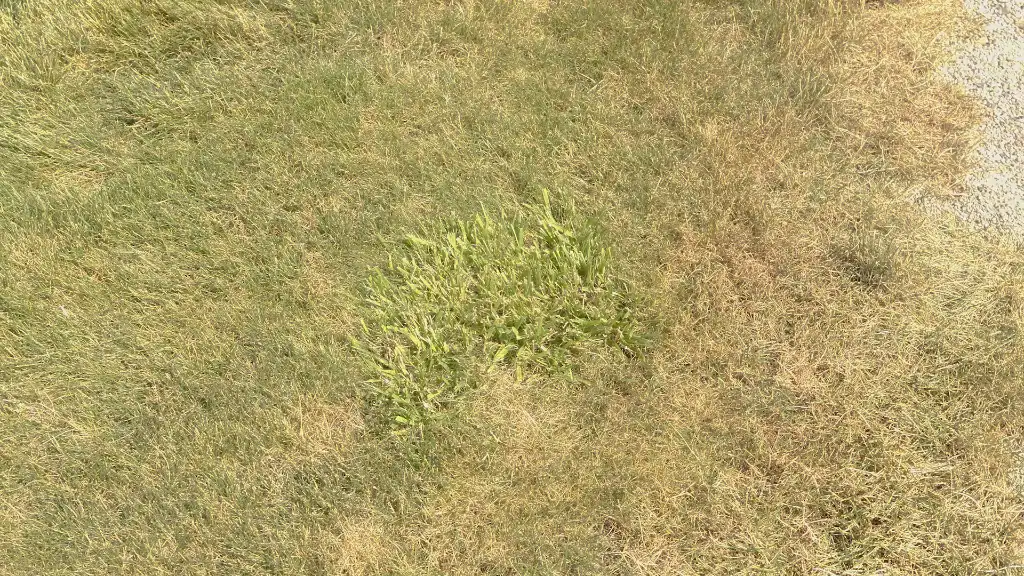
Light Green Color
Poa annua typically appears noticeably lighter green than surrounding turf grass, creating patchy areas throughout the lawn.
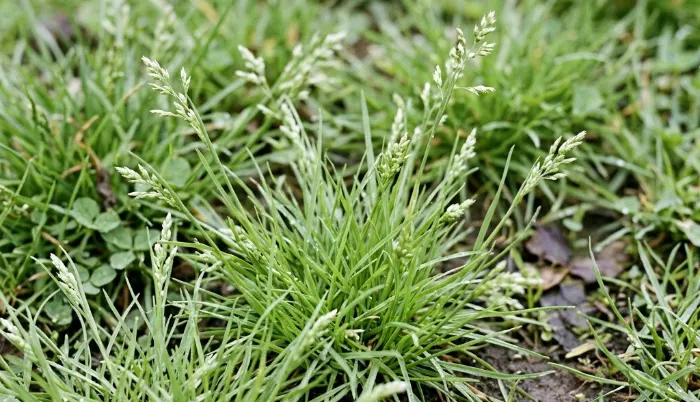
Bunch-Type Growth
Unlike spreading turf grasses, Poa annua grows in clumps or bunches, creating an uneven appearance.
Boat-Shaped Leaf Tips
One of the easiest identifying features is its distinctive boat-shaped leaf tip.
White Seed Heads
The most obvious sign of Poa annua is the presence of white or pale seed heads that appear even when mowing regularly. These seed heads are often visible in early spring and give infested lawns a speckled appearance.
Shallow Root System
Poa annua has a relatively shallow root system, making it more susceptible to drought stress than desirable turf grasses.
Why Is Poa Annua a Problem?
Many homeowners mistake Poa annua for regular grass until it becomes widespread.
Problems associated with Poa annua include:
- Uneven lawn color
- Reduced turf density
- Increased competition for water and nutrients
- Patchy lawn appearance during summer die-off
- Continuous reseeding and spreading
Because Poa annua produces large quantities of seed, infestations can become increasingly difficult to manage over time.
Final Thoughts
Poa annua may be one of the most common grassy weeds found in residential lawns, but it can be effectively managed with proper identification, prevention, and treatment. The key is understanding its life cycle and stopping germination before it starts.
If your lawn is showing signs of annual bluegrass infestation, developing a proactive treatment plan today can help protect your turf and reduce weed pressure for years to come.
Need Help Controlling Poa Annua?
Lawn Tech of Michigan provides professional weed control and lawn care services designed to keep your lawn healthy, thick, and free of invasive grassy weeds. Contact our team to learn more about effective Poa annua prevention and treatment strategies.