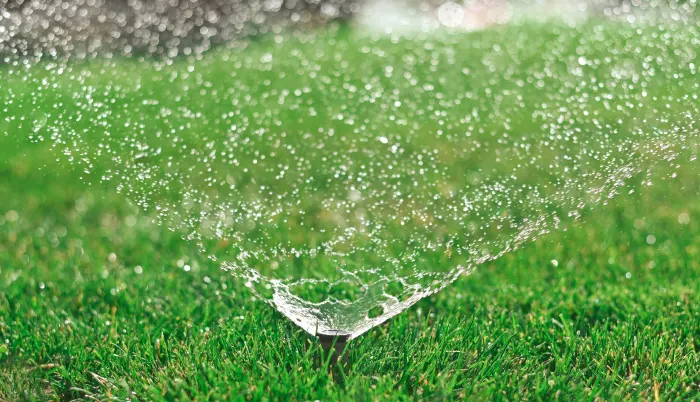
Watering your lawn may seem simple, but many homeowners unknowingly over water or underwater their grass. Proper lawn watering is one of the most important factors in maintaining a healthy, resilient, and attractive lawn.
Knowing when, how often, and how much to water can make the difference between a thriving lawn and one that struggles with weeds, disease, shallow roots, and drought stress.
Key Takeaways
- Most lawns need about 1 to 1.5 inches of water per week, including rainfall.
- Water deeply and infrequently to encourage deep root growth.
- The best time to water your lawn is early in the morning.
- Frequent, shallow watering promotes weak roots and increases disease risk.
- Adjust watering schedules based on weather, soil type, and seasonal conditions.
How Much Water Does a Lawn Need?
As a general rule, established lawns require approximately 1 to 1.5 inches of water per week. This total includes both rainfall and supplemental irrigation.
The goal is to provide enough moisture to soak the soil several inches deep, encouraging roots to grow downward in search of water.
Lawns that receive deep, consistent watering develop stronger root systems and are better equipped to handle summer heat and drought conditions.
The Best Time to Water Your Lawn
The ideal time to water is between 5:00 a.m. and 9:00 a.m.
Morning watering offers several benefits:
- Reduced water evaporation
- Better soil absorption
- Less wind interference
- Lower risk of lawn disease
Watering later in the day or at night can leave grass blades wet for extended periods, creating conditions that favor fungal diseases.
Water Deeply, Not Daily
One of the most common lawn care mistakes is watering a little bit every day.
Frequent shallow watering keeps moisture near the soil surface, encouraging roots to remain shallow. As a result, grass becomes more susceptible to drought stress and heat damage.
Instead, water deeply enough to moisten the soil 4 to 6 inches below the surface. Depending on your irrigation system and soil type, this typically means watering two to three times per week rather than every day.
Signs Your Lawn Needs Water
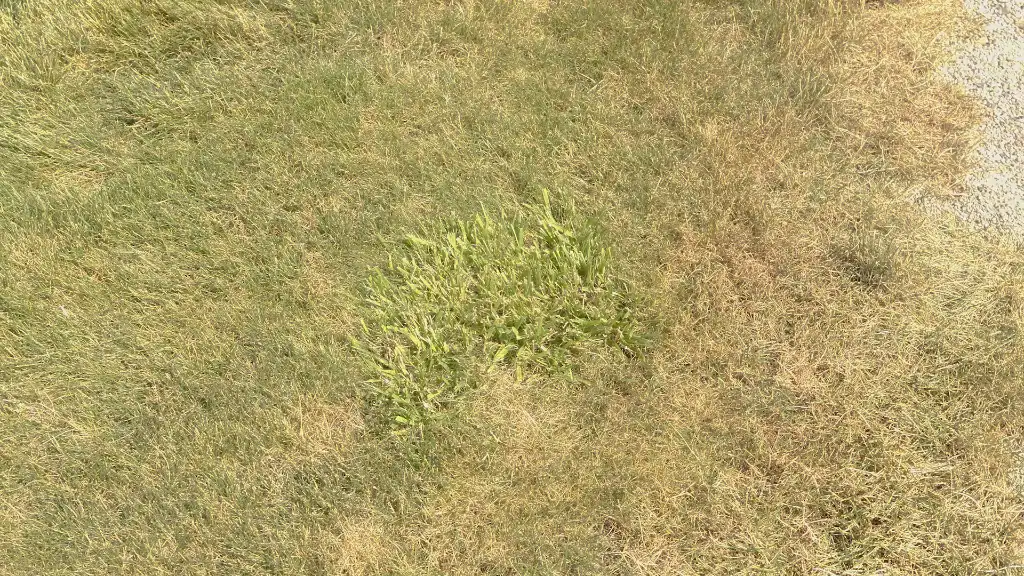
Your lawn will often show signs of drought stress before permanent damage occurs.
Watch for:
Footprints That Remain Visible
If footprints remain visible after walking across the lawn, the grass may need water.
Bluish-Gray Color
Grass often develops a dull, bluish-gray appearance when moisture levels become low.
Wilting or Curling Blades
Grass blades may fold, curl, or appear wilted during periods of drought stress.
Dry Soil
If the soil feels dry several inches below the surface, it’s time to water.
Avoid Over watering
Many lawn problems stem from excessive watering rather than insufficient watering.
Over watering can lead to:
- Shallow root systems
- Increased weed growth
- Fungal diseases
- Nutrient leaching
- Soil compaction
- Higher water bills
A lawn that remains constantly wet is often less healthy than one that experiences mild periods of dryness between watering cycles.
How to Measure Lawn Watering
Many homeowners are surprised to learn how difficult it is to estimate water output from a sprinkler system.
An easy method is the “tuna can test.”
Place several empty tuna cans or shallow containers around your lawn while watering. Measure the depth of water collected to determine how long your system needs to run to deliver approximately 1 inch of water.
This simple test helps eliminate guesswork and improves watering efficiency.
Adjust Watering Based on the Season
Spring
Cool temperatures and frequent rainfall often reduce the need for supplemental watering.
Summer
Higher temperatures and increased evaporation may require more frequent irrigation, especially during extended dry periods.
Fall
As temperatures cool, lawns typically require less water. Continue watering newly seeded or overseeded areas as needed.
Winter
Dormant lawns generally do not require irrigation in regions that receive adequate snowfall or winter precipitation.
Smart Watering Tips
To maximize lawn health and conserve water:
- Water early in the morning.
- Water deeply rather than frequently.
- Sharpen mower blades regularly.
- Mow at the recommended height for your grass type.
- Aerate compacted soils.
- Use rain gauges to track natural rainfall.
- Inspect irrigation systems for leaks and inefficiencies.
The Bottom Line
Proper watering is one of the easiest and most effective ways to improve lawn health. By watering deeply, timing irrigation correctly, and avoiding over watering, homeowners can promote deeper roots, reduce disease pressure, and maintain a greener lawn throughout the growing season.
A healthy lawn starts below the surface, and proper watering helps build the strong root system needed to withstand Michigan’s changing weather conditions.