Key Takeaways
- The benefits of treating your lawn for ticks are numerous
- Ticks can transmit diseases to humans and pets through their bites.
- Ticks are commonly found in lawns, landscape beds, wooded edges, and tall vegetation.
- Professional tick treatments help reduce tick populations around your property.
- Regular lawn and landscape maintenance can make your yard less attractive to ticks.
- Combining treatment with prevention strategies provides the best long-term protection.
Benefits of Treating Your Lawn for Ticks
Protect Your Family
Children often spend significant time playing outdoors and may be more likely to come into contact with ticks in lawns and landscape areas.
Reducing tick populations helps create a safer outdoor environment.
Protect Your Pets
Dogs are particularly susceptible to tick exposure because they frequently explore grass, wooded areas, and landscape beds.
Tick treatments can help reduce the likelihood of ticks attaching to pets while they are outside.
Enjoy Your Yard with Greater Confidence
Whether you’re gardening, entertaining, or relaxing outdoors, fewer ticks can make outdoor activities more enjoyable and less stressful.
Reduce Tick Populations Before They Spread
Early-season treatment can help suppress tick activity before populations increase throughout the warmer months.
What Homeowners Can Do to Help Prevent Ticks
Professional treatment is most effective when combined with good property maintenance practices.
Keep Grass Mowed
Regular mowing reduces humidity and minimizes tick-friendly habitat.
Remove Leaf Litter
Ticks thrive in damp organic debris. Cleaning up leaves and brush can reduce hiding places.
Trim Overgrown Vegetation
Pruning shrubs and maintaining landscape beds helps improve airflow and sunlight penetration.
Create Separation Between Woods and Lawn Areas
Mulch or stone borders can help reduce tick migration from wooded areas into frequently used sections of your property.
Discourage Wildlife Activity
Reducing attractants for deer and rodents may help limit the introduction of ticks onto your property.
Ticks have become an increasing concern for homeowners across Michigan and throughout the Midwest. While they are small and often difficult to spot, ticks can pose significant health risks to both people and pets.
Many homeowners focus on maintaining a healthy lawn for appearance, but few realize that proper tick control can play an important role in protecting their family, pets, and outdoor living spaces. If you spend time outside, treating your lawn and landscape for ticks should be part of your property’s overall maintenance plan.
Why Ticks Are a Growing Concern
Ticks are more than just a nuisance. Certain tick species can carry disease-causing pathogens that may affect both humans and animals.
In Michigan and surrounding states, ticks have become increasingly common due to changing environmental conditions, expanding wildlife populations, and favorable habitats.
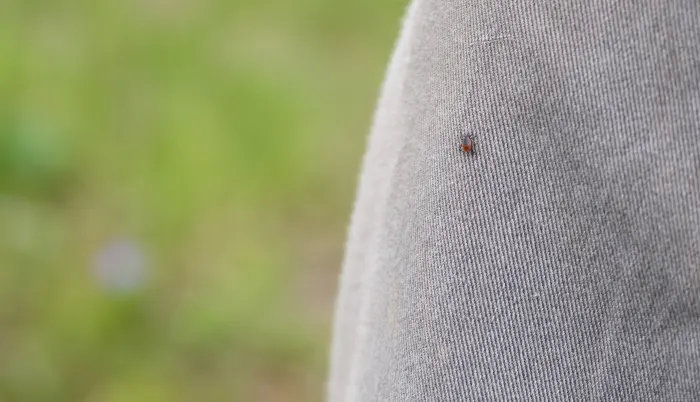
Because ticks often go unnoticed until after they attach, many homeowners are unaware they have a tick problem until a family member or pet brings one indoors.
Where Ticks Hide Around Your Property
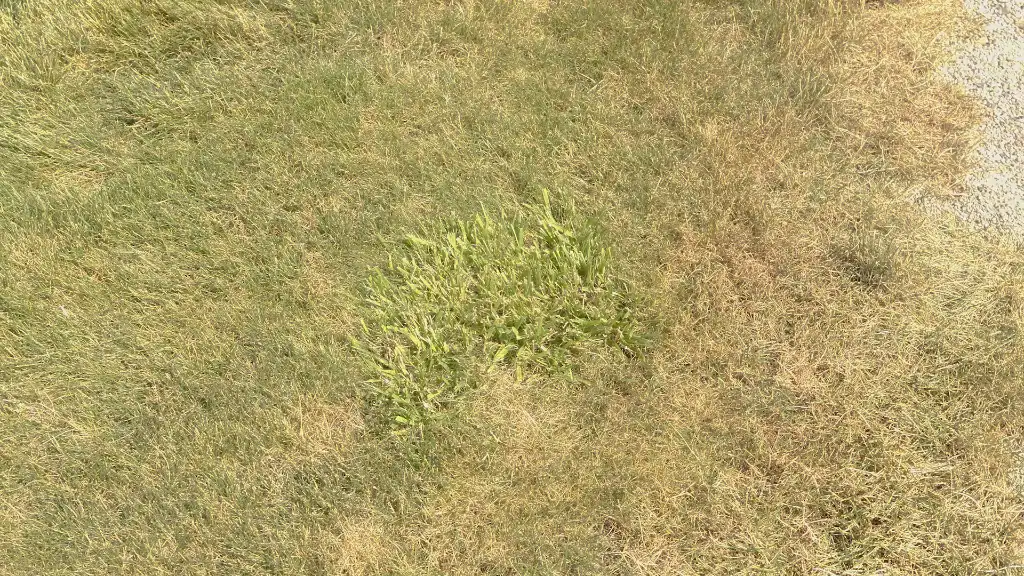
Ticks do not typically live in the middle of sunny, open lawns. Instead, they seek cool, shaded, and humid environments where they can wait for a host to pass by.
Common tick habitats include:
- Landscape beds
- Wooded property edges
- Tall grass and weeds
- Groundcover plantings
- Brush piles
- Leaf litter
- Areas near fences and tree lines
- Shrubs and ornamental plantings
Ticks often move into residential yards on wildlife such as deer, rodents, rabbits, and other animals.
Health Risks Associated with Ticks
Ticks are capable of transmitting several diseases through their bites.
Depending on the tick species and region, potential concerns include:
- Lyme disease
- Anaplasmosis
- Babesiosis
- Ehrlichiosis
- Rocky Mountain spotted fever
- Tick-borne illnesses affecting pets
While not every tick carries disease, reducing tick populations around your property can help lower the risk of exposure.
How Professional Tick Treatments Work
Professional tick control programs focus on treating the areas where ticks are most likely to live and travel.
Applications typically target:
- Landscape beds
- Tree lines
- Wooded borders
- Dense vegetation
- Shrubbery
- Tick harborage areas around the property
Because ticks spend much of their life cycle in vegetation and shaded environments, treating these areas can significantly reduce activity around your home.
Regular seasonal applications often provide the most effective results.
When Should Tick Treatments Begin?
Tick activity often starts earlier than many homeowners realize. Depending on weather conditions, ticks can become active in early spring and remain active through fall.
Beginning treatments early in the season can help provide protection during peak tick activity periods.
A recurring treatment program throughout the season typically delivers the best results.
The Bottom Line
Ticks are a serious concern for homeowners, families, and pet owners. Because they can carry diseases and often go unnoticed until after a bite occurs, prevention is the best strategy.
Professional tick treatments combined with proper lawn and landscape maintenance can significantly reduce tick activity and help create a safer, more enjoyable outdoor environment.