Key Takeaways:
- Early lawn weed identification in Grand Ledge helps homeowners choose the right treatment before weeds spread and become harder to control.
- Different weed types: broadleaf, grassy, and spreading weeds require different control methods for effective removal.
- Leaf shape, growth pattern, and flowering are the three most reliable visual clues for identifying common lawn weeds.
- Weeds are most visible during periods of lawn stress, such as early spring, summer drought, or after heavy rainfall.
- Regular weekly lawn inspections can help catch weed problems early and prevent large-scale infestations.
- Selective herbicides work best for broadleaf weeds, while pre-emergent treatments and cultural practices help control grassy weeds.
- Persistent or difficult-to-identify weeds may require professional diagnosis and targeted treatment plans.
- LawnTech provides expert weed identification and customized treatment programs to keep Grand Ledge lawns healthy and weed-free.
Being able to identify lawn weeds in Grand Ledge before they spread is one of the most powerful tools a homeowner can have. The sooner you know what you’re dealing with, the faster you can apply the right solution without harming your grass or wasting money on ineffective treatments.
In this post, we’ll walk you through how to recognize different weed types by their visual characteristics and growing patterns. With a little attention and seasonal timing, you can keep your lawn clear and healthy.
Why Weed Identification Matters
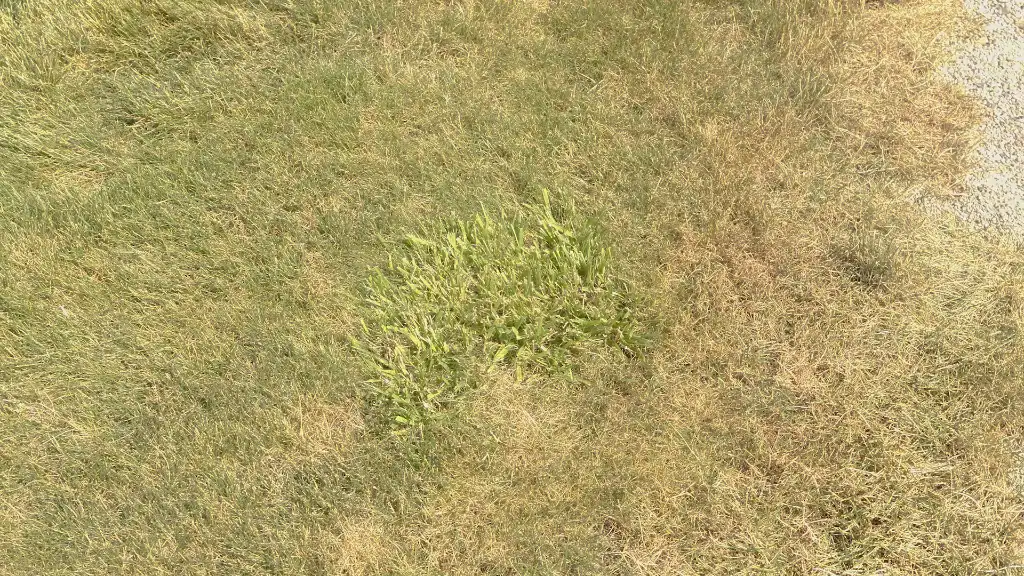
Not all weeds are the same. Some are broadleaf invaders like clover or dandelion. Others are grassy weeds like crabgrass or nimblewill. And a few, like ground ivy, spread rapidly along the surface.
Each weed type requires a different control method. Identifying lawn weeds in Grand Ledge by sight allows you to choose the right herbicide—or decide if manual removal is enough.
3 Clues to Help You Identify Lawn Weeds Quickly
If you spot something unusual in your lawn, here are three key ways to identify what it is:
- Leaf Shape: Broadleaf weeds have wider leaves and are easy to spot in turf. Grassy weeds blend in with lawn grass but often grow faster and in clumps.
- Growth Pattern: Some weeds grow low and outward (like creeping charlie), while others grow upright (like plantain). The way they spread can be a giveaway.
- Flowering: Yellow dandelions, purple henbit, or white clover flowers are all signals of specific weed species. If your lawn is blooming unexpectedly, it’s time to take a closer look.
When to Check Your Lawn for Weeds
Weeds thrive during periods of lawn stress—such as early spring, mid-summer drought, or after heavy rain. The best times to scan your yard are:
- During your first mow of the season
- After storms or long dry spells
- When bare patches or fast-growing areas appear
By taking 5 minutes each week to scan your yard, you can often prevent a full-blown invasion.
What to Do Once You’ve Identified a Weed
Once you’ve successfully identified a lawn weed in your Grand Ledge yard, take one of the following steps based on type:
- Broadleaf weeds: Spot-treat with a selective herbicide that won’t harm grass
- Grassy weeds: Use a pre-emergent in early spring (like for crabgrass) or hand pull if small
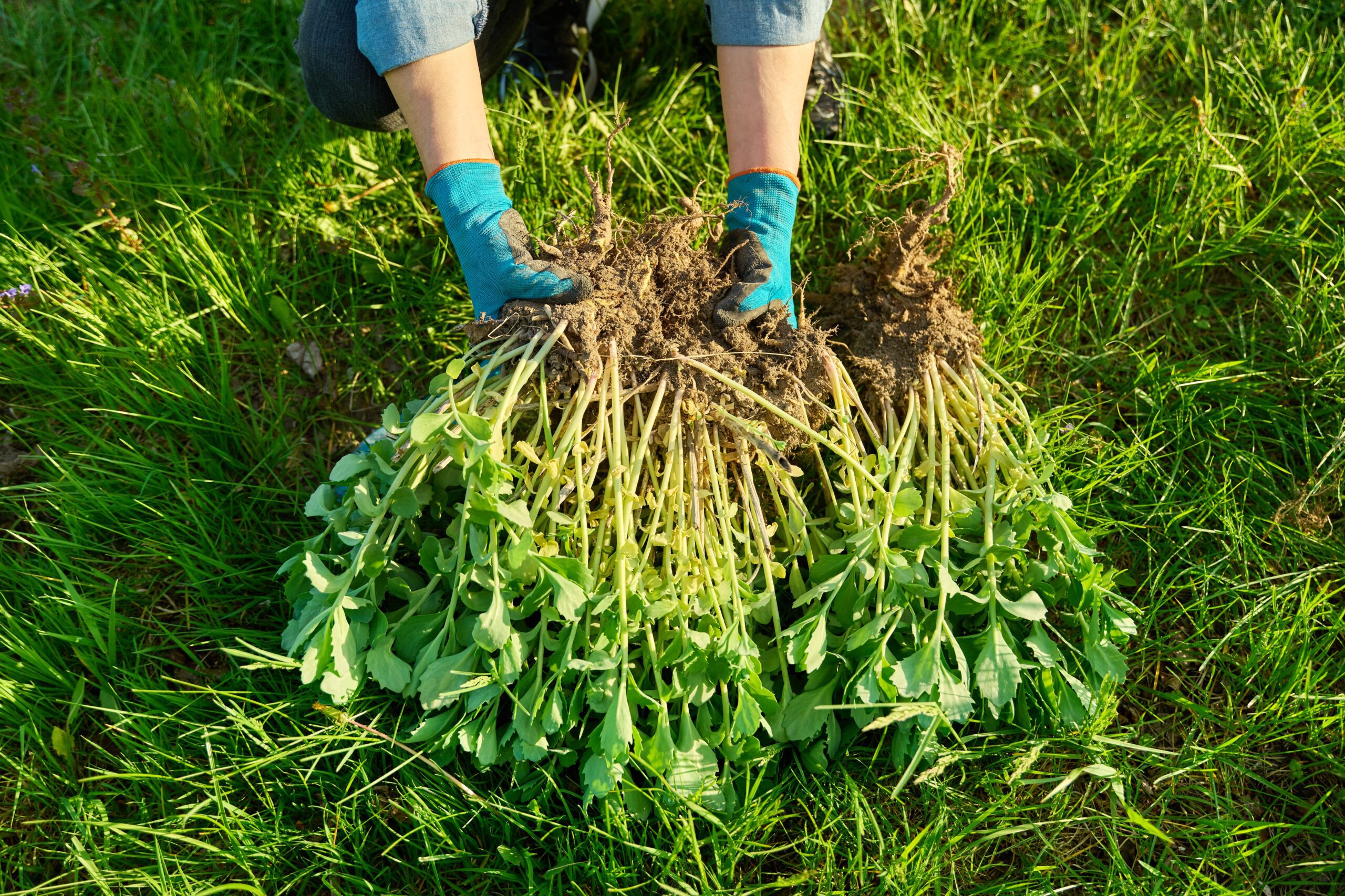
- Spreading weeds: Consider cultural practices like aeration and overseeding to crowd them out
For stubborn or recurring growth, consult a lawn care expert to avoid damaging your lawn with aggressive products.
Want Help Identifying Lawn Weeds in Grand Ledge?
If you’re not sure what’s growing in your yard, LawnTech’s weed identification experts in Grand Ledge can help. We’ll assess your lawn, identify the weed species, and create a targeted treatment plan to get your turf back in shape.
Don’t wait for weeds to take over.
Schedule your lawn inspection with LawnTech today and keep your grass clean, green, and weed-free.