- Late spring is the ideal time to control broadleaf weeds in Michigan lawns because weeds are actively growing and absorbing treatments more effectively.
- Common weeds like dandelions, clover, and plantain compete with grass for water, nutrients, sunlight, and space.
- Treating weeds in May and June helps stop spreading and reseeding before summer stress weakens the lawn further.
- Blanket weed control applications provide consistent coverage across the entire lawn, not just visible problem spots.
- Effective late spring weed control supports thicker, healthier turf and helps reduce recurring weed problems throughout the season.
- Delaying treatment can allow weeds to mature, spread, and become more difficult to control long term.
Late spring is one of the most important windows for weed control in Michigan lawns. By May and June, broadleaf weeds such as dandelions, clover, and plantain are no longer dormant or emerging—they are actively growing and spreading. This stage of growth makes them far more responsive to professional treatment than earlier or later in the season.
During late spring, weeds are pulling nutrients and moisture from the soil to support leaf growth, flowering, and seed production. Because they are actively absorbing resources, they also absorb weed control treatments more effectively. This allows applications to move throughout the plant, reaching the root system and delivering longer-lasting results. Treatments applied too early may not be fully absorbed, while treatments applied too late often struggle to control mature, well-established weeds.
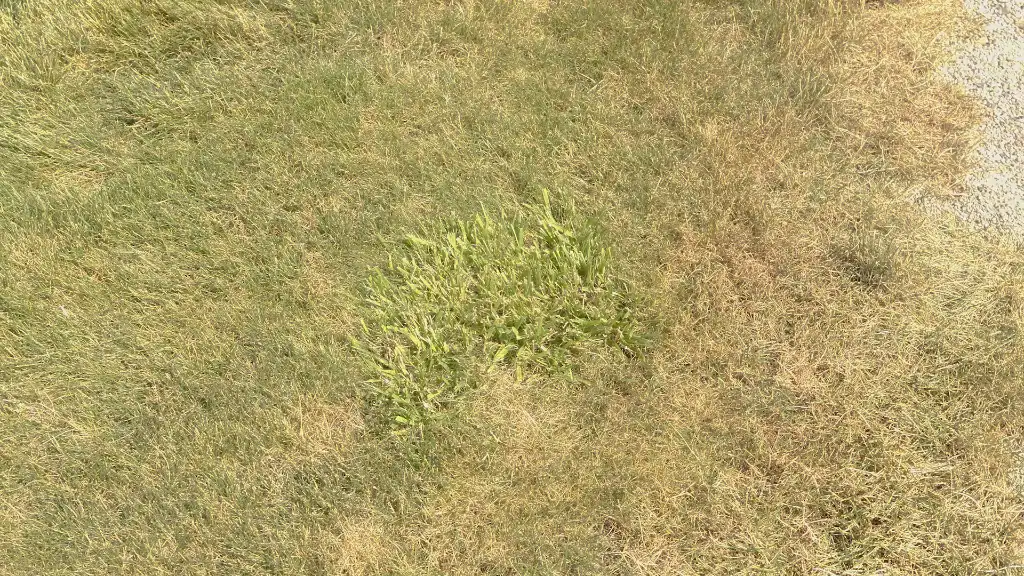
Broadleaf weeds compete directly with grass for nutrients, water, sunlight, and space. Left untreated, they weaken turf density just as summer stress begins to build. Thin areas caused by weed pressure create openings for additional weeds to establish, leading to recurring problems throughout the season. Late spring weed control helps interrupt this cycle before it escalates.
What Is Blanket Weed Control?
Lawn Tech uses a blanket application approach to treat broadleaf weeds across the entire lawn. Rather than targeting only visible weeds, blanket applications provide consistent coverage from edge to edge. This ensures that actively growing weeds are treated wherever they appear and helps prevent untreated patches from becoming future problem areas.
Blanket weed control helps:
- Control existing broadleaf weeds
- Prevent weeds from spreading or reseeding
- Deliver uniform, predictable results across the lawn
This method is especially effective in late spring when weed growth can be widespread and uneven.
Why Late Spring Timing Works Best
Late spring weeds are actively growing, absorbing treatments efficiently, and less likely to recover after application. Treating too early can result in regrowth as weeds rebound. Treating too late allows weeds to mature, spread seeds, and further weaken the lawn. Late spring strikes the ideal balance between effectiveness and long-term control.
How Weed Control Supports Lawn Health
Removing broadleaf weeds gives grass the space and resources it needs to grow thicker and stronger. With less competition, turf can absorb nutrients and water more efficiently, leading to improved density and resilience. Over time, consistent late spring weed control results in fewer weeds returning each year and a healthier lawn overall.
Late spring weed control is not just about appearance. It is a critical step in protecting Michigan lawns before summer heat and drought place added stress on the turf.