Key Takeaways:
- Lawn stress recovery in Grand Ledge focuses on restoring turf damaged by weather, pests, disease, or soil conditions.
- Common causes include snow mold, grubs, moles, soil compaction, thatch buildup, drought, and improper watering.
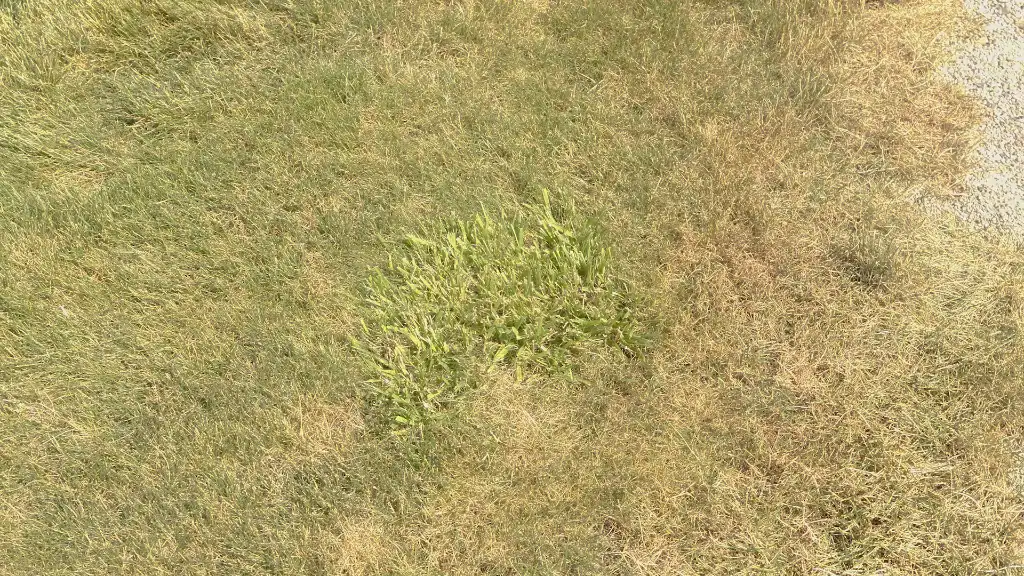
- The first step in recovery is assessing damage by identifying bare spots, discoloration, and uneven or compacted areas.
- Raking and debris removal help improve airflow and prepare the lawn for new growth and treatment.
- Core aeration is essential for relieving compaction and improving water, oxygen, and nutrient absorption.
- Overseeding combined with fertilization helps fill in thin areas and promote thicker, healthier turf.
- Consistent watering, especially in the morning, supports recovery while reducing the risk of disease.
- Severe or widespread damage may require professional lawn disease or pest control services for full recovery.
Lawn stress recovery in Grand Ledge is essential after your yard has taken a beating from harsh weather, disease, pests, or neglect. Whether it’s dead patches from snow mold, mole tunnels, or thin, weak turf after a dry summer, early intervention can bring your lawn back to life before peak growing season.
What Causes Lawn Stress?
Several common factors contribute to lawn stress in Grand Ledge:
- Snow Mold & Leaf Spot: These fungal diseases weaken turf over winter and spring.
- Pests Like Moles & Grubs: Burrowing and feeding damage roots and soil structure.
- Compaction & Thatch: Old debris and compacted soil block water and nutrients.
- Underwatering or Drought: Leads to browning, thinning, and patchy growth.
Not sure what’s causing the problem? Our team at LawnTech can assess your lawn’s condition and provide a custom recovery plan.
Step-by-Step Lawn Stress Recovery in Grand Ledge
1. Assess the Damage
Walk your lawn and take note of:
- Bare or thinning patches
- Discolored or weak grass
- Uneven areas from mole tunnels or soil shifting
2. Clean Up and Rake
Remove thatch, dead grass, and debris to allow new growth to breathe.
3. Aerate the Lawn
Aeration opens up compacted soil, improving water, oxygen, and nutrient flow. Learn more about our Lawn Aeration and Seeding Services in Grand Ledge.
4. Fertilize for Recovery
Apply a balanced spring fertilizer to kickstart regrowth. If your lawn has suffered from fungus, choose a product with added disease resistance.
5. Overseed to Fill In Patches
Overseeding fills in dead areas and thickens your lawn. Combine it with aeration for optimal results. Check out our blog on the Best Time to Seed Your Lawn in Grand Ledge for more timing tips.
6. Water Consistently
Keep soil moist (not soaked) during recovery. Morning watering is best to avoid disease spread.
7. Prevent Future Stress
Once your lawn is healthy again, maintain proper mowing height, fertilization, and pest control. Our Professional Lawn Care in Grand Ledge service provides all-season maintenance and monitoring.
When to Call for Help
Some damage—like widespread fungal disease or severe pest infestation—requires more than DIY care. LawnTech offers tailored Lawn Disease Control Services and Lawn Pest Control in Grand Ledge to restore lawn health fast.
Don’t Wait—Start Your Lawn Stress Recovery in Grand Ledge Today
The sooner you address stress symptoms, the better chance your lawn has of making a full comeback this season. Contact LawnTech today for a full lawn evaluation and personalized recovery plan.
Click here to view the Turf Tips from Michigan State University.